When talking about Beijing, the Great Wall is an indispensable cultural symbol. Like a giant dragon coiled atop the mountains, it bears the weight of a thousand years of history and embodies the aspiration of countless people who say, "He who has not climbed the Great Wall is not a true hero." Many visitors to Beijing only head to one section of the Great Wall, but the sections surrounding Beijing each possess their own unique character: some are known for their ruggedness, others for their beauty, some for their rich history and tradition, and still others for their pristine, ancient appearance. This guide will unlock the diverse charm of the Great Wall around Beijing, helping you avoid the crowds and understand its past and present.
If we're talking about the most popular section of the Great Wall around Beijing, Badaling is undoubtedly the top choice. As one of the best-preserved and most representative sections of the Ming Dynasty Great Wall, it has long been the first thing tourists from home and abroad see when they learn about the Great Wall. The walls here are tall and sturdy, with a wide and flat top, making it easy for even those of average physical fitness to climb a section. Climbing the tower, the Great Wall stretches along the undulating mountainside, with distant beacon towers scattered among the peaks. A single glance is enough to deeply appreciate the grandeur of the Great Wall. However, be aware that Badaling's popularity means large crowds during holidays; it's recommended to visit on a weekday or arrive early to secure a good view. As the most developed section of the Great Wall, it boasts excellent facilities, including parking, restaurants, and souvenir shops, making it very convenient for first-time visitors to Beijing.

If you prefer off-the-beaten-path and rugged beauty, and yearn to escape the crowds and experience the wild beauty of the Great Wall, then the Simatai Great Wall is definitely worth a special trip. It has been named one of the "Top Ten Must-See Sights in the World" by UNESCO and is the only section of the Great Wall that retains its original Ming Dynasty appearance. Simatai's uniqueness lies in its "peril." The wall is built along the sheer, knife-edged mountain ridges, with some sections almost vertical, and the narrowest points only wide enough for one person to pass at a time. Walking on it, you can almost feel the hardships endured by ancient soldiers guarding the frontier. Even better, Simatai is connected to Gubei Water Town. After climbing the rugged Great Wall during the day, you can stroll through Gubei Water Town in the evening, walking on the cobblestone streets, watching the lanterns light up one by one, and enjoying the stunning night view where the Great Wall and the water town reflect each other. This combination of "majestic pass + water town" is an experience you can't find anywhere else.

For those who enjoy photography and an artistic atmosphere, Mutianyu Great Wall is an excellent choice. With its extremely high vegetation coverage, it boasts vibrant wildflowers in spring, shady trees in summer, fiery red leaves in autumn, and a snow-covered landscape in winter – each season offering a different kind of beauty. The walls of Mutianyu have a gentle slope, making it suitable for family outings or leisurely strolls. Compared to the bustling Badaling, Mutianyu is much quieter. You can walk slowly along the wall, carefully observing the weathered marks on the bricks, or find a watchtower to sit and quietly admire the surrounding mountain scenery. There's also a unique experience – after taking the cable car to the top, you can choose to ride the toboggan down the mountain, saving time and energy while enjoying the fun of traversing the forest – a favorite among children and young people.

If you want to experience the most pristine and authentic Great Wall, away from the hustle and bustle of commercialization, then Jiankou Great Wall is your best choice. As an undeveloped section of the Great Wall, Jiankou retains its most authentic appearance. The walls are incomplete, and bricks are scattered everywhere, which only enhances its historical vicissitudes and weight. The mountains here are extremely steep, and the winding walls resemble a drawn bow, hence the name "Jiankou" (Arrow Buckle). Climbing Jiankou requires a certain level of physical strength and outdoor experience; some sections require using both hands and feet. However, when you stand on the ruined beacon tower, overlooking the continuous mountain range, and feel the unspoiled atmosphere where nature and history blend, you will feel that all the hard work is worthwhile. It should be noted that the wild Great Wall lacks protection and safety facilities, so be sure to go in groups, take precautions, and be careful not to damage the relics.

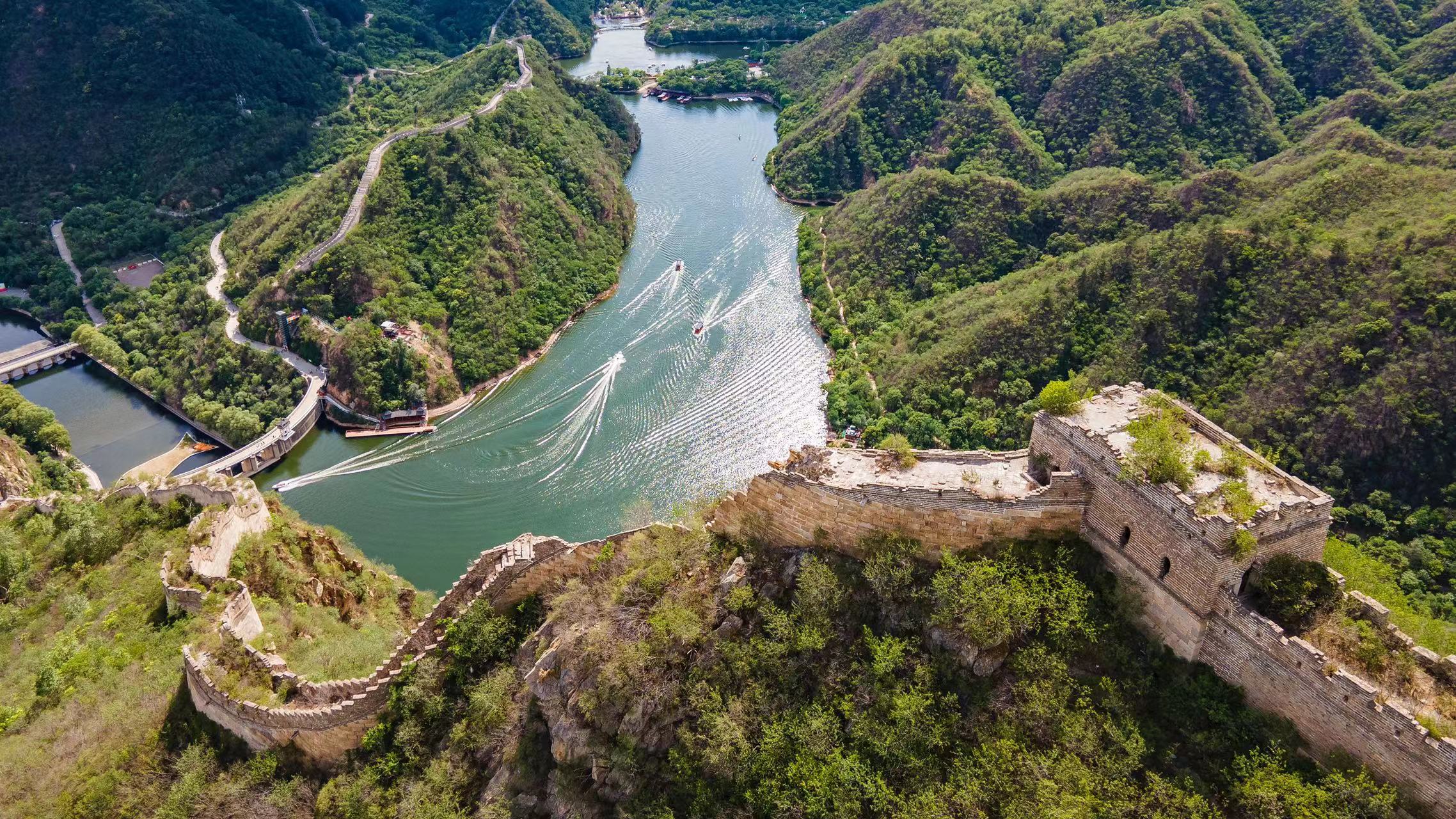
Besides these popular sections, Beijing also has many lesser-known sections of the Great Wall worth exploring. For example, there's the Huanghuacheng Water Great Wall, built along the mountains and rivers, with parts of the wall submerged in water, creating the unique "Flooded Jinshan Temple" landscape. In summer, you can both climb the Great Wall and enjoy water activities and cool off. Another example is the Juyongguan Great Wall, an important pass of the Ming Dynasty Great Wall, strategically located and known as the "First Pass Under Heaven." Its gate towers are magnificent, and many historical anecdotes surround it.
Finally, here are a few practical tips for climbing the Great Wall: First, wear comfortable sneakers and loose clothing for easy climbing; second, check the weather forecast in advance, as it can be windy on the Great Wall, especially in spring and autumn, so dress warmly; third, bring your own drinking water and some snacks, as some sections of the Great Wall, especially less-traveled sections, do not have vendors; fourth, please respect the cultural relics, do not carve on the bricks, and do not litter.
From the bustling Badaling to the precipitous Simatai, from the picturesque Mutianyu to the pristine Jiankou, each section of the Great Wall in Beijing has its own story and charm. It is not merely a military defense project, but also a spiritual symbol of the Chinese nation and a precious legacy from history. When visiting Beijing, slow down, choose a section of the Great Wall that you like, and climb step by step to the summit, feeling the awe and emotion that transcends millennia between the mountains and the wall.

