

Beyond the Cities: A Sichuan & Chongqing Outdoor Adventure Through Mountains, Gorges and Valleys
Where Western China Becomes an Adventure
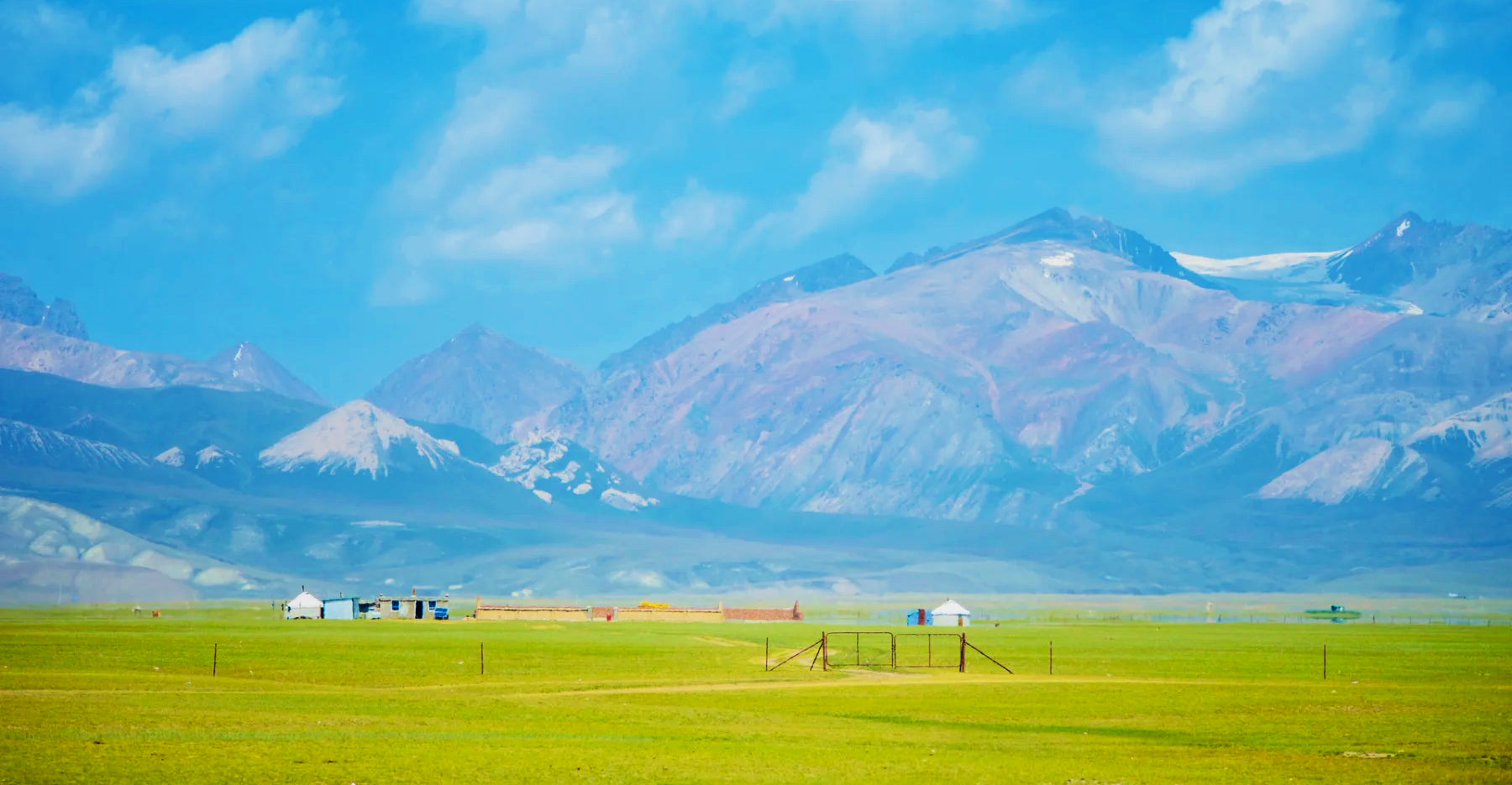
Sichuan and Chongqing are often introduced through pandas, hotpot and dramatic city skylines. Yet beyond the familiar images lies one of China’s most varied outdoor regions: snow-covered peaks, turquoise lakes, forested valleys, karst gorges, highland meadows and steep urban trails.
The greatest advantage of exploring Sichuan and Chongqing together is contrast. A traveler can begin in the relaxed streets of Chengdu, continue into the alpine landscapes of western or northern Sichuan, then finish among Chongqing’s rivers, cliffs and layered mountain-city neighborhoods.
This guide explains the region’s most rewarding outdoor experiences and how to combine them without turning the journey into a rushed checklist.
1. Mount Siguniang — Snow Peaks and Accessible Alpine Valleys
Mount Siguniang, also known as Four Sisters Mountain, is one of the most practical introductions to western Sichuan’s highland scenery. The area combines snow peaks, conifer forests, open meadows, rivers and broad valleys within driving distance of Chengdu.
Shuangqiao Valley is particularly suitable for travelers who want impressive mountain views without committing to a demanding expedition. Scenic transport connects major viewing areas, while short walks allow visitors to explore at their own pace.
Travelers seeking a more active experience can choose longer valley walks, but altitude, weather and individual fitness should always shape the plan. A comfortable itinerary normally includes an overnight stay rather than treating the mountains as a rushed day trip.
2. Jiuzhaigou — Lakes, Waterfalls and Forest Trails
Jiuzhaigou is famous for its clear blue and green lakes, layered waterfalls and colorful forests. Although the park is highly organized, it still offers a strong sense of natural discovery because every section of the valley reveals a different combination of water, woodland and mountain scenery.
Scenic buses reduce long transfers inside the park, while boardwalks connect the main viewpoints. The best experience comes from selecting a realistic number of areas and leaving time to walk beside the water instead of trying to photograph every stop.
3. Huanglong — Mineral Pools in a High-Altitude Landscape
Huanglong’s terraced mineral pools form a striking series of blue, green and golden layers beneath an alpine backdrop. The scenery is different from Jiuzhaigou, which makes the two destinations complementary rather than repetitive.
The altitude is an important consideration. Travelers should allow a measured pace, stay hydrated and avoid building an overly demanding schedule around the visit. Cableway and walking arrangements can be selected according to mobility and comfort.

4. Wulong Karst — Natural Bridges, Cliffs and Deep Gorges
South-east of central Chongqing, Wulong introduces another kind of landscape. Instead of snow mountains and alpine lakes, travelers enter a world of limestone cliffs, natural bridges, sinkholes and deep green gorges.
The route includes stairs, lifts and walking paths, so the day should be planned around actual mobility rather than only the attraction list. Comfortable footwear and sufficient time are essential. The scenery feels cinematic, but the strongest experience comes from descending into the landscape and seeing the scale of the rock formations from below.
5. Fairy Mountain — Grasslands and Forests Above Chongqing
Fairy Mountain offers open grassland, forest scenery and cooler highland air. It provides a gentler outdoor contrast to Wulong’s dramatic stone formations and can be combined with an overnight stay for a more relaxed regional journey.
Depending on the season, the area can feel green and pastoral or quiet and wintry. Weather changes quickly in elevated landscapes, so travelers should bring layers even when Chongqing city is warm.
6. Wujiang River and the Mountain Roads of Chongqing
The wider Chongqing region is shaped by rivers and steep terrain. Scenic drives along river valleys reveal cliffs, bridges, small towns and changing views that are easily missed when travelers focus only on the central city.
A private vehicle is particularly useful here because viewpoints and regional attractions may not connect conveniently by public transport. The journey itself becomes part of the outdoor experience.
7. Chongqing Urban Hiking — Adventure Inside the City
Outdoor exploration in Chongqing does not end when you return to the city. Chongqing is built across hills and riverbanks, with stairways, elevated roads, old lanes and multi-level neighborhoods connecting places that appear close on a map but may sit at very different heights.
A city walk can combine mountain paths, traditional streets, river viewpoints and modern architecture. Routes through older neighborhoods are especially rewarding because they reveal how residents have adapted daily life to steep terrain.
Visitors should expect stairs and uneven surfaces. A carefully planned walking route with vehicle support at the beginning and end can provide the adventure without unnecessary exhaustion.

Choose the Right Level of Adventure
Easy Scenic Exploration
Suitable for families and travelers who prefer shorter walks. Use scenic buses, cableways and private transfers to enjoy lakes, valleys and viewpoints with controlled physical effort.
Moderate Outdoor Journey
Combine scenic transport with longer boardwalks, valley walks and Chongqing’s urban stair routes. This level requires comfortable shoes and the ability to walk for several hours with rest breaks.
Active Hiking Journey
Choose dedicated hiking routes in mountain areas, allow extra days for weather and work with an experienced local team. High-altitude trekking should never be added casually to a general sightseeing schedule.
Four Practical Route Combinations
6 Days: Chengdu and Mount Siguniang
Begin with a relaxed Chengdu arrival, spend two nights near Mount Siguniang, explore an alpine valley, then return to Chengdu for culture and food. This is a comfortable introduction to Sichuan’s mountain scenery.
7 Days: Chengdu, Huanglong and Jiuzhaigou
Focus on northern Sichuan’s lakes, forests and mineral pools. Sufficient overnight stays reduce long consecutive drives and allow a full day inside Jiuzhaigou.
6 Days: Chongqing, Wulong and Fairy Mountain
Combine a mountain-city walk with Wulong’s karst formations, Fairy Mountain and scenic river roads. This route offers a strong balance of urban and natural adventure.
9 Days: Chengdu, Mount Siguniang, Chongqing and Wulong
This cross-region journey links Sichuan’s alpine landscape with Chongqing’s gorges and layered city. A high-speed train between Chengdu and Chongqing keeps the route efficient.
Best Seasons and Packing Essentials
Spring and autumn often offer comfortable conditions for city walking and many lower-altitude outdoor areas. Summer is popular for highland scenery, while winter can bring snow to selected mountain destinations. Conditions vary greatly by elevation, so one journey may require clothing for both warm cities and cold mountains.
- Supportive walking shoes with reliable grip
- Light rain protection
- Warm layers for elevated areas
- Sun protection and sunglasses
- Reusable water bottle
- Portable charger
- Personal medication
- A small day bag rather than heavy luggage
Important Planning Considerations
- Confirm approximate altitude before choosing a mountain route.
- Ask about actual walking time, stairs and scenic transport.
- Leave flexibility for weather in alpine areas.
- Avoid combining too many distant mountain destinations in one short trip.
- Use private transport for remote valleys and regional scenic roads.
- Check travel insurance coverage for planned outdoor activities.
Explore the Wild Side of Sichuan and Chongqing
The most memorable Sichuan–Chongqing adventure does not need to be extreme. It can be a quiet walk beside an alpine lake, a descent beneath Wulong’s natural bridges or an evening climb through Chongqing’s hillside neighborhoods.
Ascendia Travel designs private China journeys around your preferred scenery, activity level, travel dates and group needs. Share the number of travelers and the kind of outdoor experience you enjoy, and we will help create a route with realistic driving times, comfortable accommodation and reliable local support.