Formerly the Imperial Ancestral Temple, now a People's Park
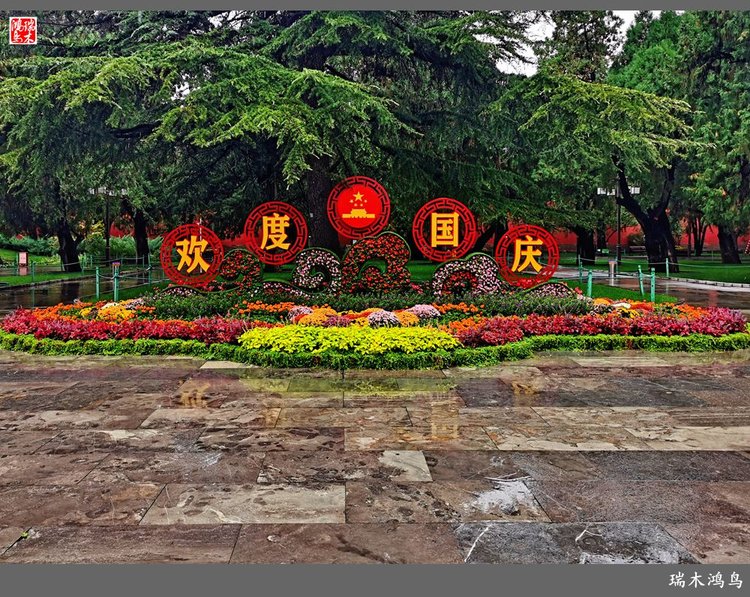
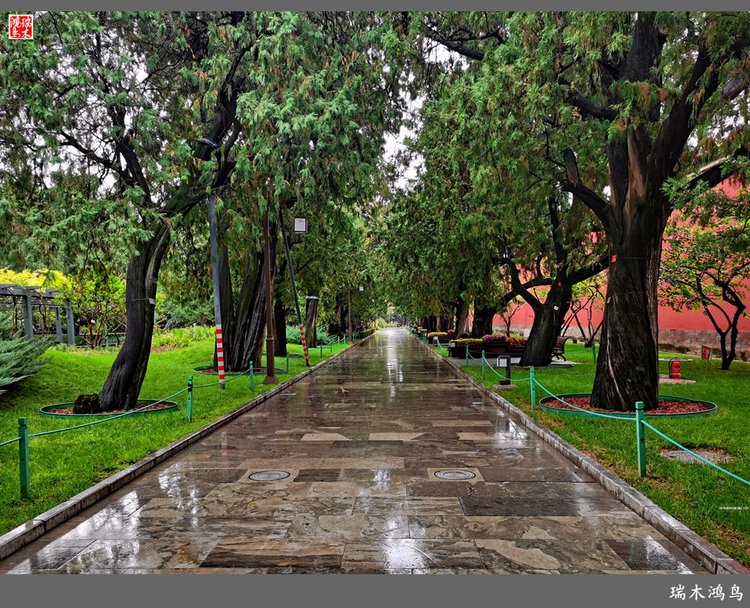
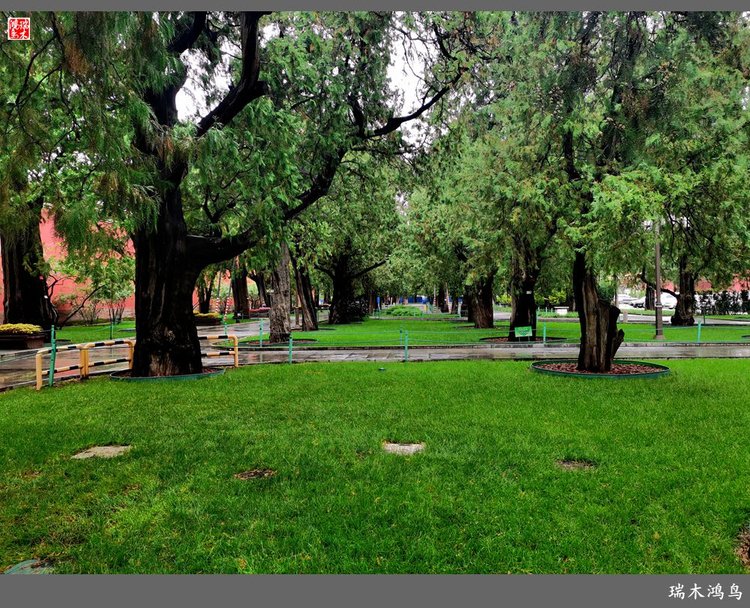
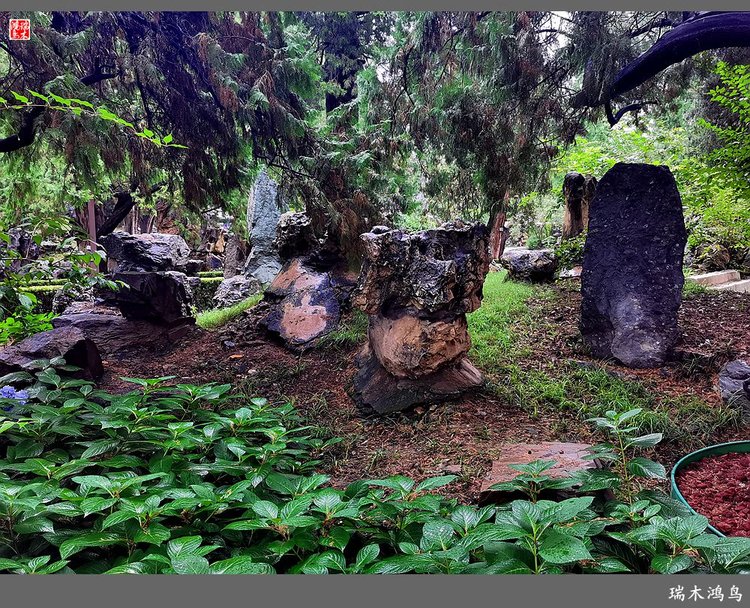
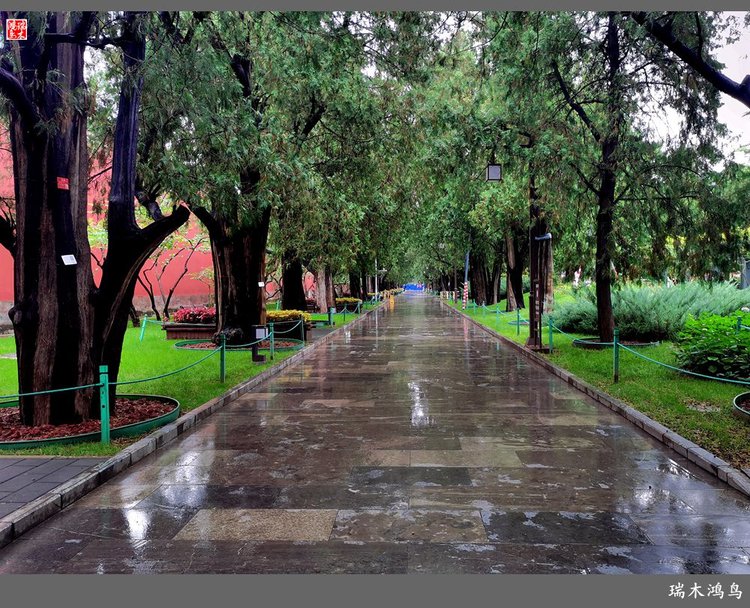
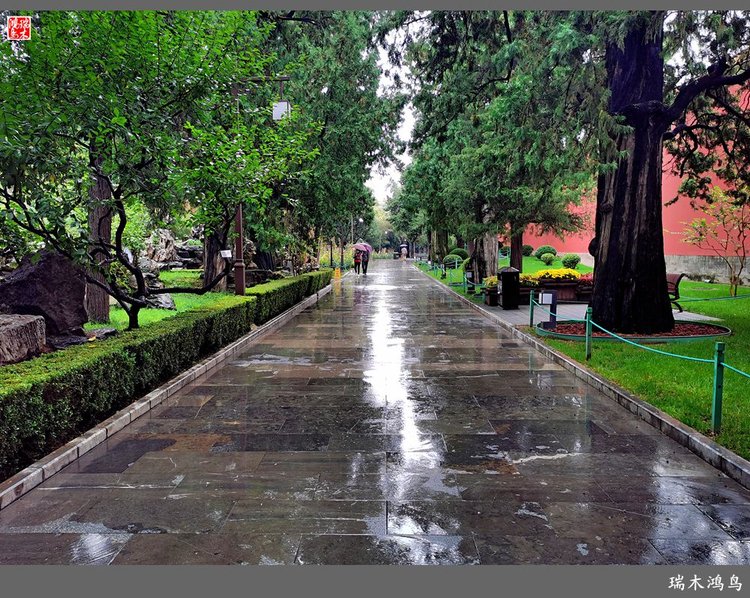
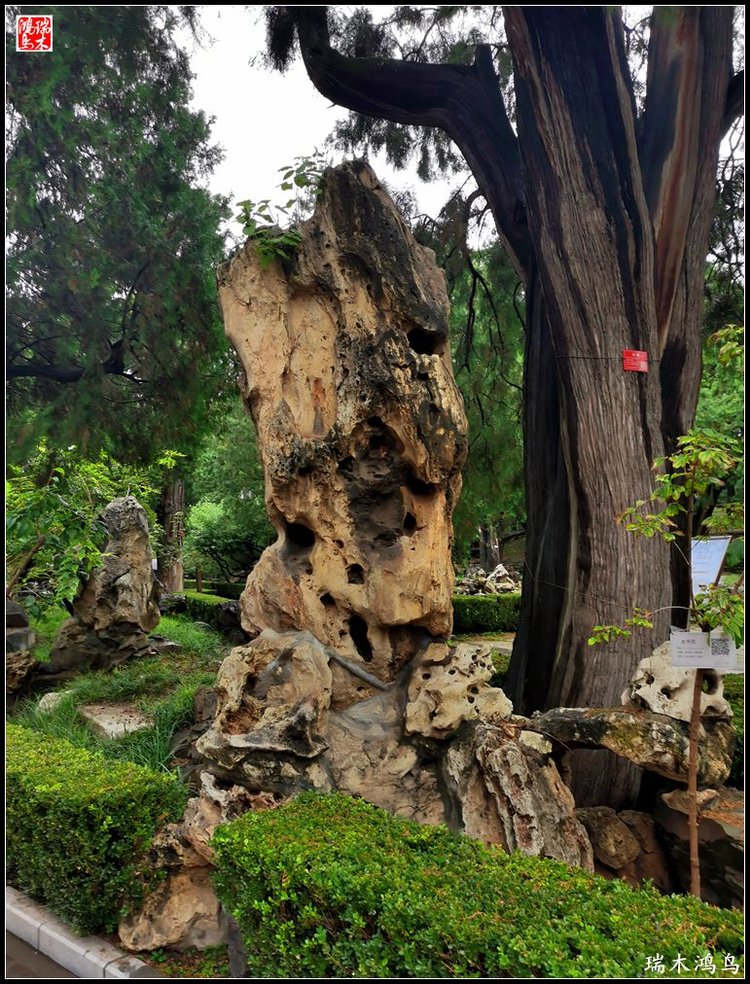
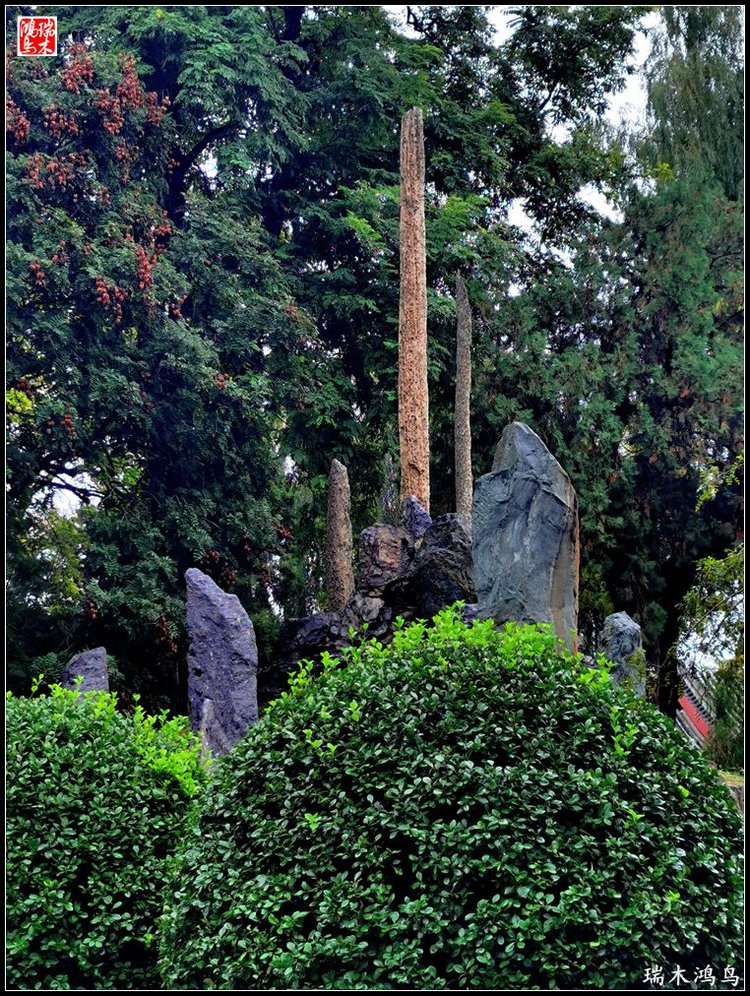
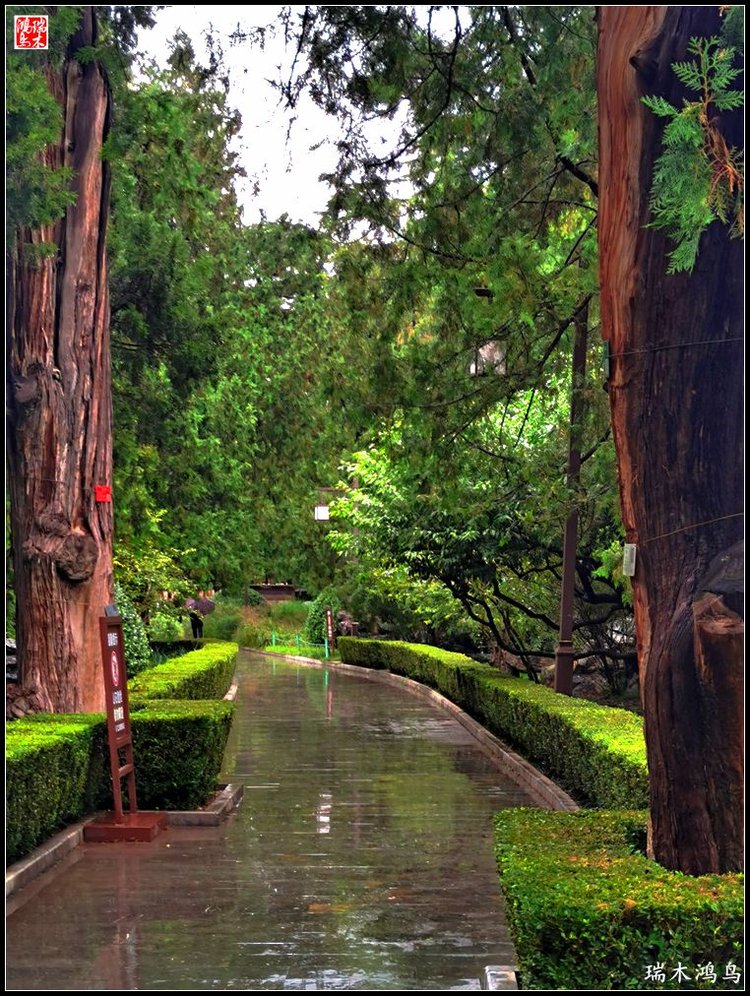
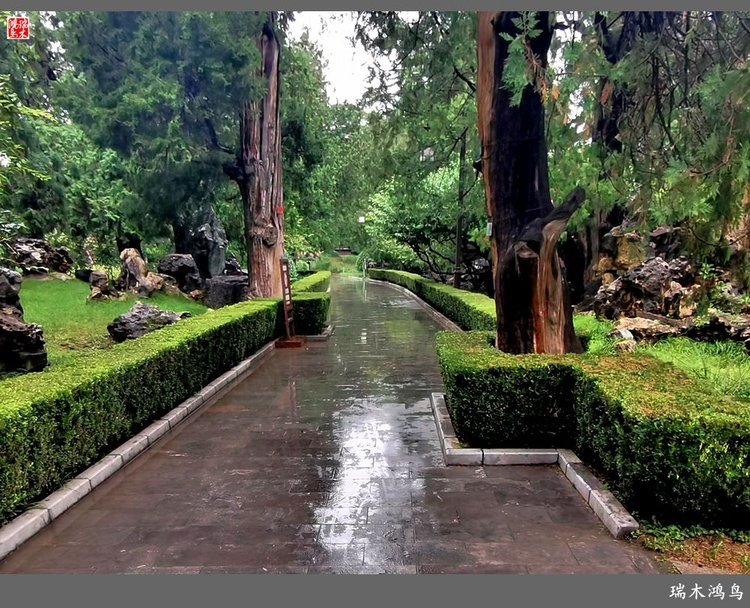
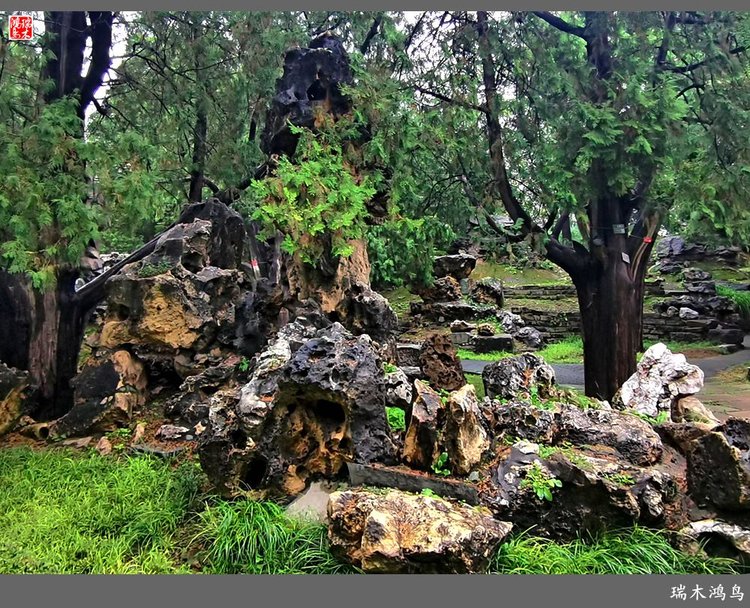
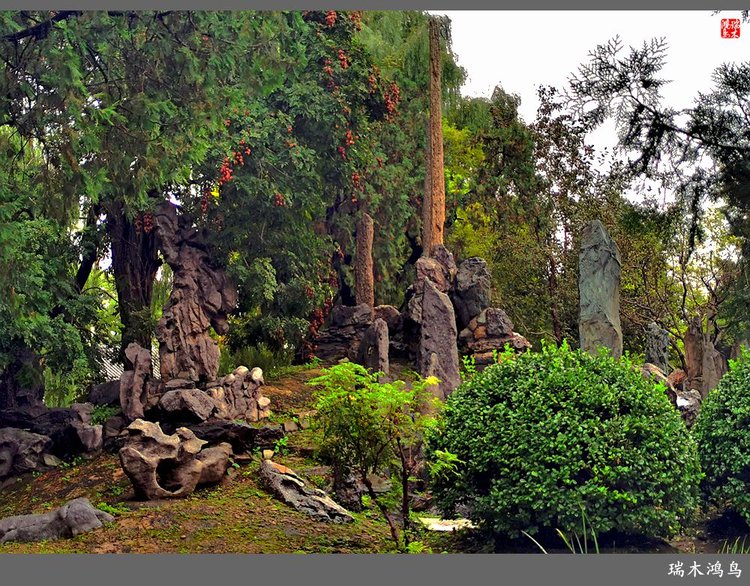
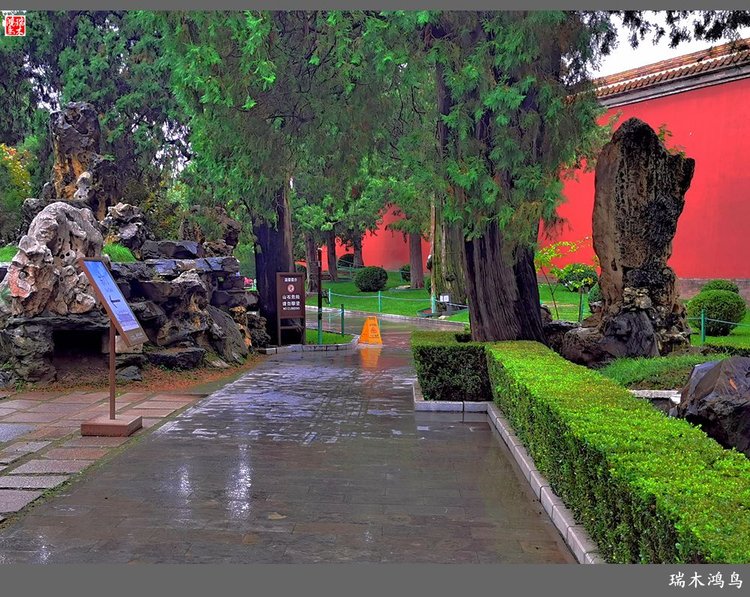
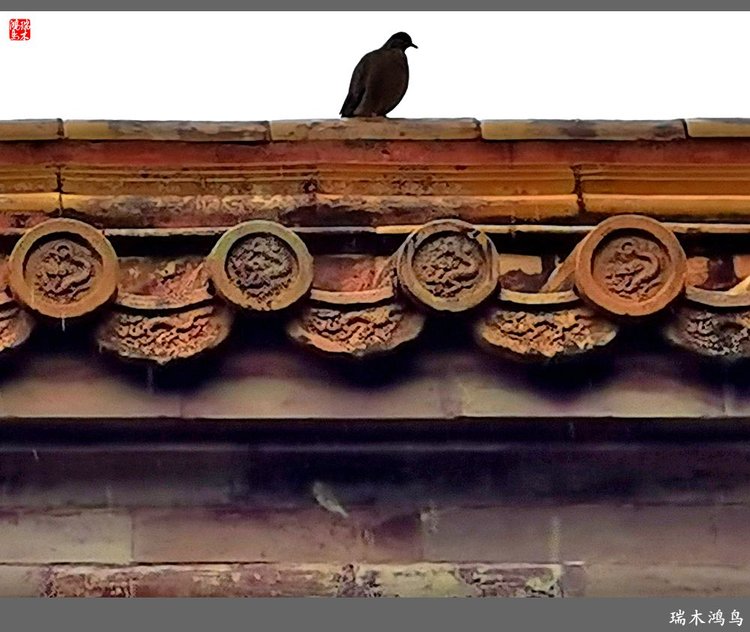
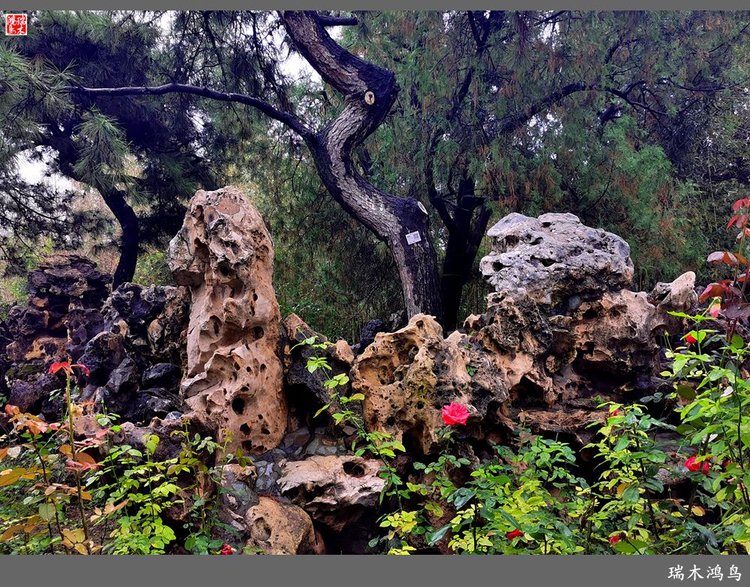
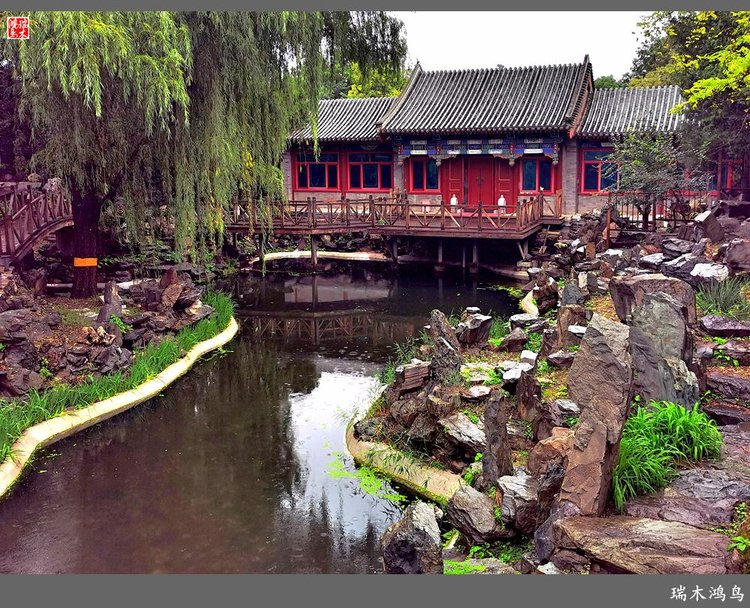
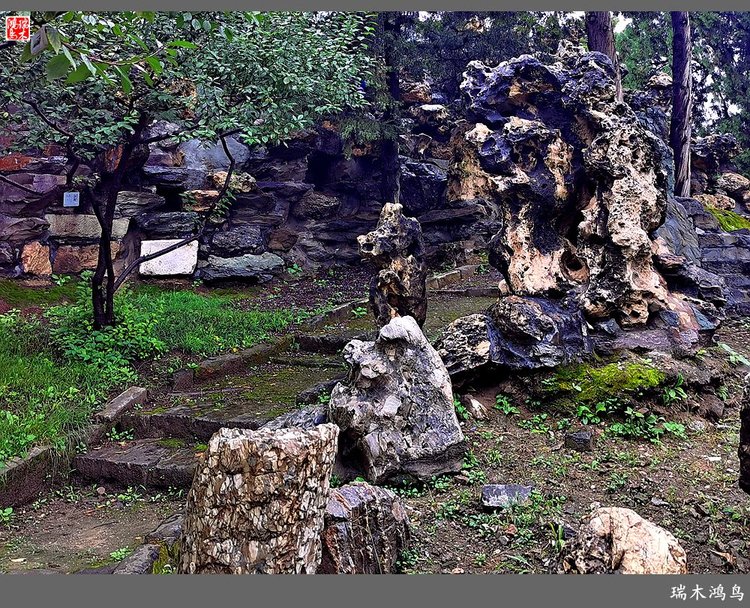
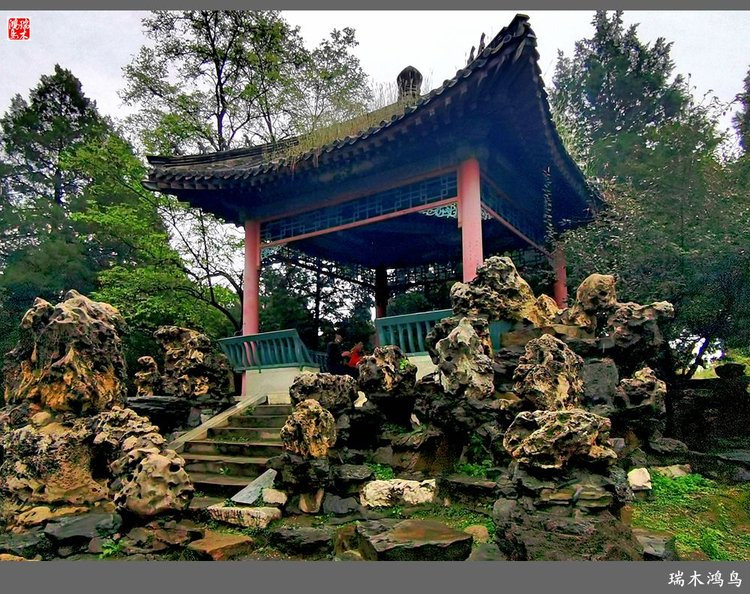
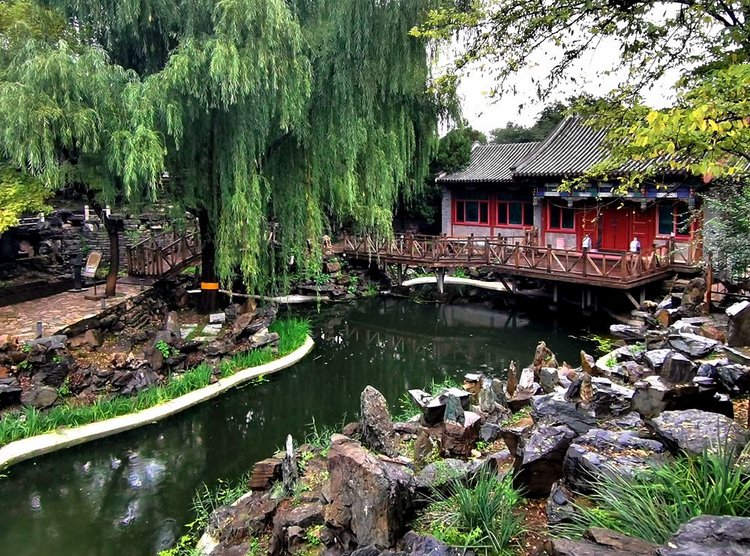
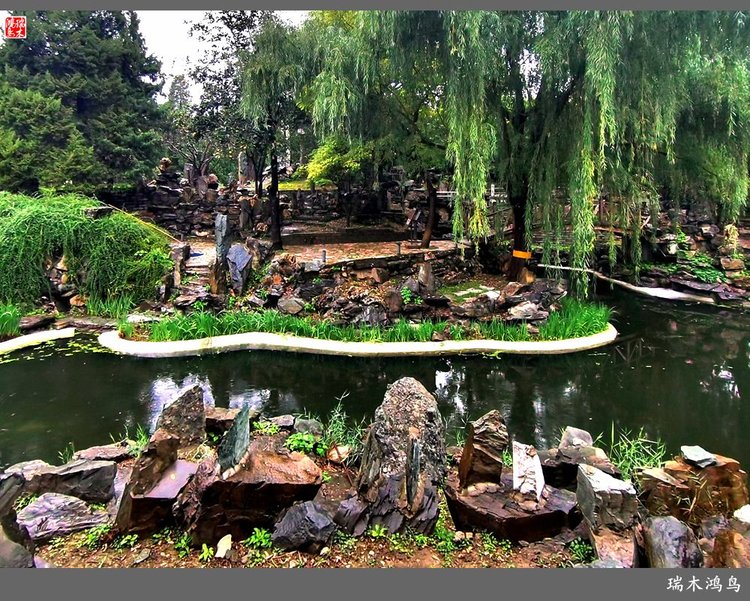
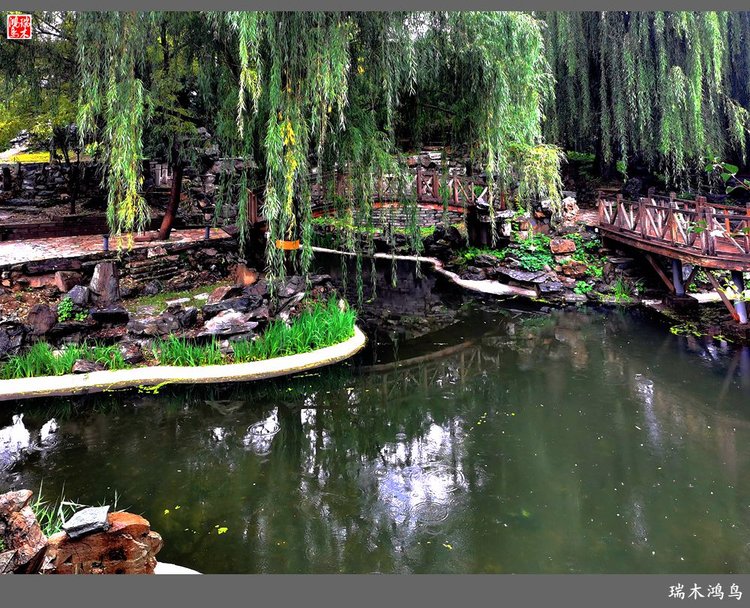
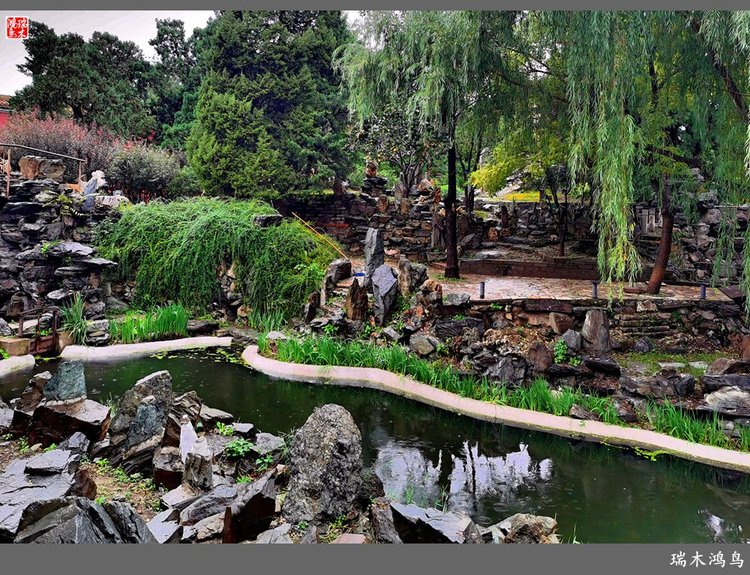
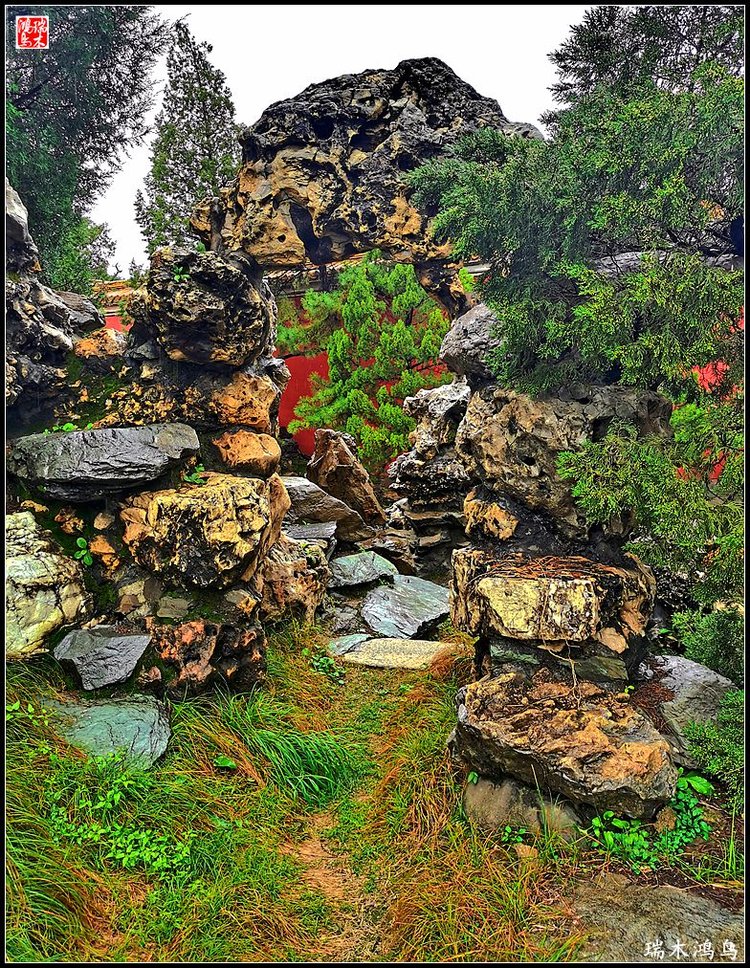
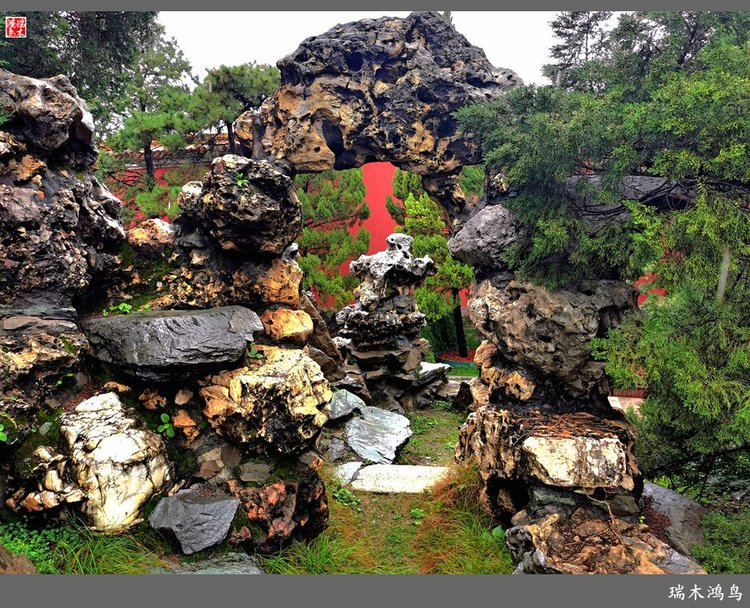
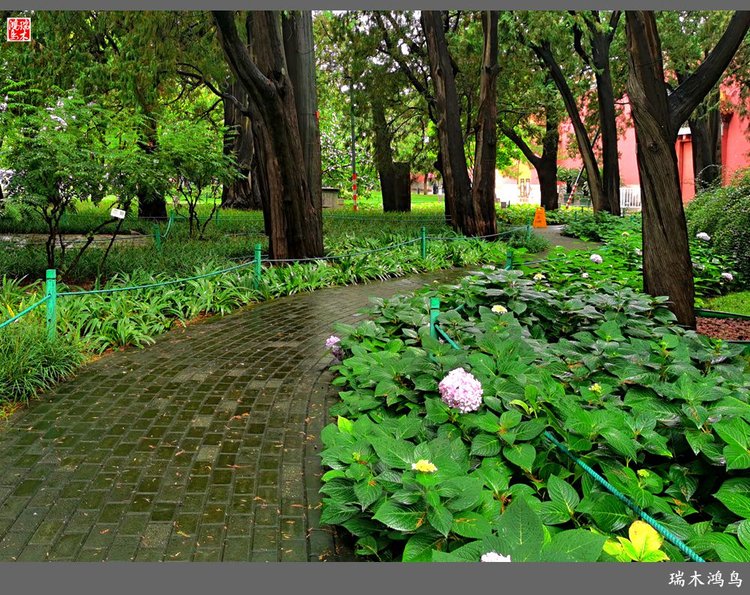
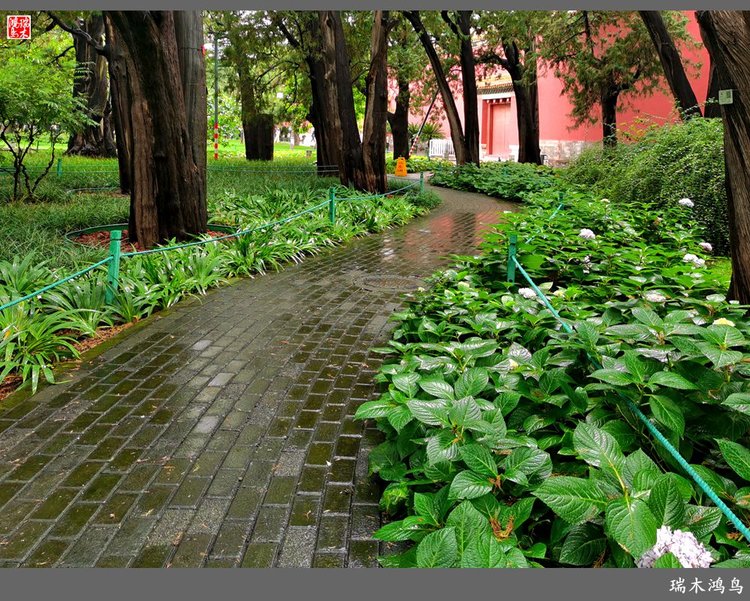
The Beijing Working People's Cultural Palace, formerly known as the "Imperial Ancestral Temple," was first built in 1420 (the 18th year of the Yongle reign of the Ming Dynasty). It served as the ancestral temple for the emperors of the Ming and Qing dynasties. Located east of Tiananmen Square, the Imperial Ancestral Temple covers an area of 140,000 square meters and is the most complete and largest existing royal ancestral temple complex in my country. It is considered the most important ancestral temple in ancient times and can be called "the First Temple under Heaven." The Imperial Ancestral Temple is renowned for its ancient cypress trees, mostly Chinese arborvitae or Chinese junipers, many planted during the initial construction of the temple in the Ming Dynasty, with a few added during the Qing Dynasty. One ancient cypress was even planted by Emperor Yongle himself. The trees range in age from over 500 years to over 300 years. Each ancient cypress tree is unique in its shape and form, with layers of pines and cypresses of various shapes, providing dense shade. Nearly 800 ancient cypress trees surround the entire complex, creating a solemn and serene environment that contrasts beautifully with the yellow tiles and red walls. A series of exquisite landscape gardens are nestled among ancient cypress groves. Pavilions, terraces, and waterside pavilions stand amidst strangely shaped rocks, silently telling stories of nature. They reveal a refined beauty through their authentic, simple, and natural character, expressing the unique sentiments of scholars who retreat to the mountains to escape the city's hustle and bustle. Originally a palace, the grove was home to flocks of grey cranes, a scene of natural beauty amidst the changing seasons. In 1924, the Beiyang government converted the Imperial Ancestral Temple into "Peace Park." After the founding of the People's Republic of China, at the suggestion of Premier Zhou Enlai and with the approval of the first State Council meeting, the Imperial Ancestral Temple was transferred to the Beijing Municipal Federation of Trade Unions for management, becoming a cultural activity center for workers. The plaque "Beijing Municipal Working People's Cultural Palace" was named and personally inscribed by Chairman Mao Zedong, and it officially opened to the public on May 1, 1950. Since its establishment, the Working People's Cultural Palace has become the center of cultural activities for workers in Beijing and even China, hosting a wide variety of cultural activities and cultivating a large number of talents in various fields. Since the founding of the People's Republic of China, the site of major national events has witnessed many significant historical events. Currently, the Working People's Cultural Palace is organically combining the traditional culture of the Imperial Ancestral Temple with modern culture and art, gradually forming a unique school and park rich in cultural value.