

10 Breathtaking Natural Landscapes in China You Should See at Least Once
Discover a Different Side of China
China is often introduced through its ancient cities, modern skylines and famous cuisine. Yet some of its most unforgettable experiences are found far beyond the city streets: turquoise lakes, sandstone pillars, snow-covered peaks, endless grasslands, winding rivers and quiet canal towns.
This guide introduces ten scenic destinations that show the extraordinary variety of China's landscapes. Because the country is vast, most travelers will enjoy the journey more by choosing one or two regions rather than trying to visit every place in a single trip.
1. Jiuzhaigou Valley – Clear Lakes and Colorful Forests
Located in northern Sichuan, Jiuzhaigou is celebrated for its intensely colored lakes, layered waterfalls, forested valleys and mountain scenery. The water can appear turquoise, blue or green depending on the light, minerals and surrounding vegetation.
Wooden walkways and scenic-area transport connect the main viewing points, allowing visitors to see a wide variety of landscapes in one day. Autumn is especially famous for colorful forests, while other seasons offer their own atmosphere.
2. Huanglong Scenic Area – Terraced Pools Beneath the Mountains
Huanglong is known for its natural travertine terraces, where mineral-rich water forms a sequence of shallow pools. Their blue, green and golden tones create a striking contrast with the surrounding alpine forest and distant peaks.
The altitude is higher than in many city destinations, so a well-paced itinerary and sufficient rest are important. Huanglong is often combined with Jiuzhaigou as part of a scenic Sichuan journey.

3. Zhangjiajie – Sandstone Pillars Above the Clouds
Zhangjiajie's tall sandstone pillars rise from dense subtropical forest, creating a landscape that often feels almost unreal. Mist can drift between the peaks, changing the view from hour to hour.
Glass walkways, mountain lifts, cableways and high viewpoints make the scenery accessible, although the area is large and benefits from careful route planning. Travelers should allow enough time rather than trying to cover every viewpoint in one rushed day.
4. Guilin and Yangshuo – Karst Peaks Along the Li River
The landscape around Guilin and Yangshuo has appeared in Chinese paintings and poetry for centuries. Rounded karst peaks line rivers, fields and village roads, creating one of the country's most recognizable natural scenes.
A river cruise, countryside drive or relaxed walk beside the water reveals different perspectives. Early morning mist and late-afternoon light are particularly beautiful for photography.
5. Mount Siguniang – Snow Peaks and Alpine Valleys
Mount Siguniang, sometimes translated as Four Sisters Mountain, lies west of Chengdu in Sichuan. Its snow-covered peaks, conifer forests, open meadows and deep valleys offer a dramatic change from the nearby city landscape.
Shuangqiao Valley is a popular choice for visitors who want impressive scenery with convenient sightseeing transport, while other valleys offer longer walking and hiking experiences.
6. Huangshan – Granite Peaks and a Sea of Clouds
Huangshan, or the Yellow Mountains, is famous for sculpted granite peaks, ancient pine trees and cloud-filled valleys. When weather conditions are right, the mountaintops appear to float above a white sea of clouds.
Cableways make the upper scenic area easier to reach, but steps remain part of the experience. Staying overnight on or near the mountain gives travelers a better chance to see sunrise, sunset and changing cloud conditions.
7. Yunnan – Lakes, Terraces and Snow Mountains
Yunnan brings together several kinds of scenery in one province. Travelers can experience the open water of Erhai Lake, the mountain backdrop near Lijiang, terraced fields, forested valleys and historic towns surrounded by countryside.
The province is ideal for a slower itinerary because its landscapes are closely connected with local communities, food traditions and diverse cultures.
8. Inner Mongolia – Grasslands Under an Open Sky
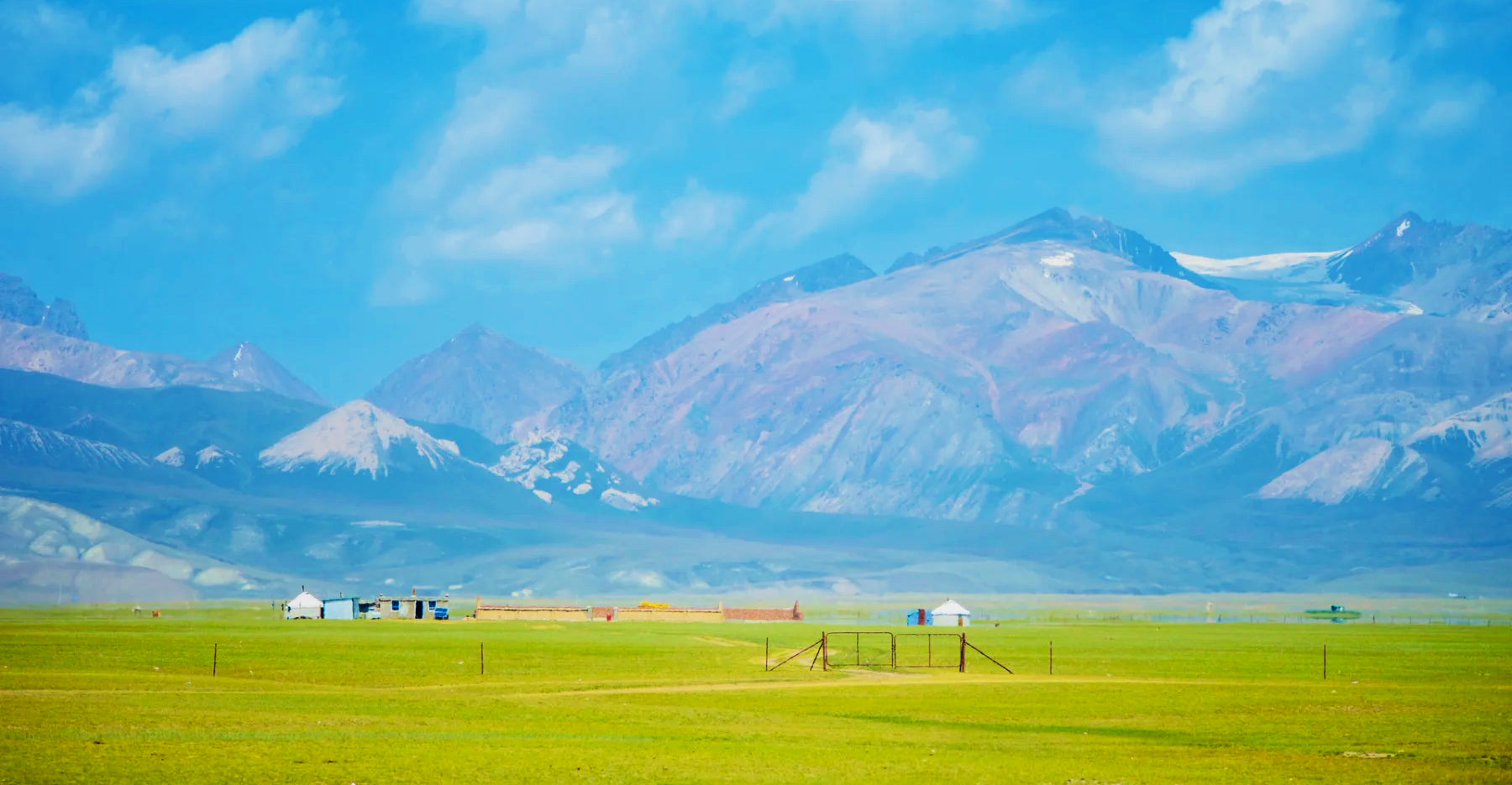
Inner Mongolia offers a completely different image of China: broad grasslands, distant horizons, grazing animals and enormous skies. In suitable seasons, the landscape becomes a vivid green, while autumn brings warmer golden tones.
A well-designed grassland journey can include a comfortable yurt stay, local cultural experiences and scenic drives, while avoiding an itinerary that feels overly commercial or rushed.
9. Zhangye Danxia – Layers of Color in the Desert Landscape
In northwestern China, Zhangye Danxia is known for rolling rock formations marked by red, orange, yellow and brown bands. Viewing platforms reveal different patterns across the hills, especially when lower-angle sunlight strengthens the colors.
The landscape pairs well with a broader Silk Road journey, allowing travelers to combine natural scenery with historic towns, desert environments and ancient cultural sites.
10. Jiangnan Water Towns – Canals, Bridges and Willow Trees
Not every breathtaking landscape needs towering mountains. In the Jiangnan region, calm canals, stone bridges, white-walled houses and willow trees create a softer, more intimate form of scenery.
Water towns near Shanghai, Suzhou and Hangzhou are best enjoyed at a relaxed pace. Walking beside the canals or taking a small boat ride reveals quiet courtyards, traditional architecture and reflections on the water.

When Is the Best Time to See China's Scenery?
The ideal season depends on the destination. Spring and autumn often provide comfortable conditions for many cities and low-altitude landscapes. Summer can be suitable for grasslands and high mountain regions, while winter creates snowy scenery in selected destinations.
Weather in alpine areas can change quickly, and some scenic routes are strongly seasonal. Before confirming the itinerary, check local access conditions, altitude, expected temperatures and the amount of walking required.
Three Ways to Build a Scenic China Journey
- Western Sichuan route: Chengdu, Jiuzhaigou, Huanglong and Mount Siguniang for lakes, mountains and panda experiences.
- Southern landscape route: Guilin, Yangshuo and Zhangjiajie for rivers, karst peaks and dramatic mountain viewpoints.
- Eastern culture-and-scenery route: Shanghai, Suzhou, Hangzhou, Jiangnan water towns and Huangshan for gardens, canals, lakes and mountains.
Choosing destinations within the same region reduces unnecessary travel time and allows more time to enjoy the scenery.
Explore China's Landscapes With Ascendia Travel
Scenic destinations often require more planning than city tours because of long driving distances, train connections, altitude, cableways and local transport inside national parks.
Ascendia Travel creates private China journeys with flexible itineraries, comfortable transportation, quality accommodation and local support. Share your travel dates, group size and preferred scenery, and we will help build a route that matches your pace and interests.